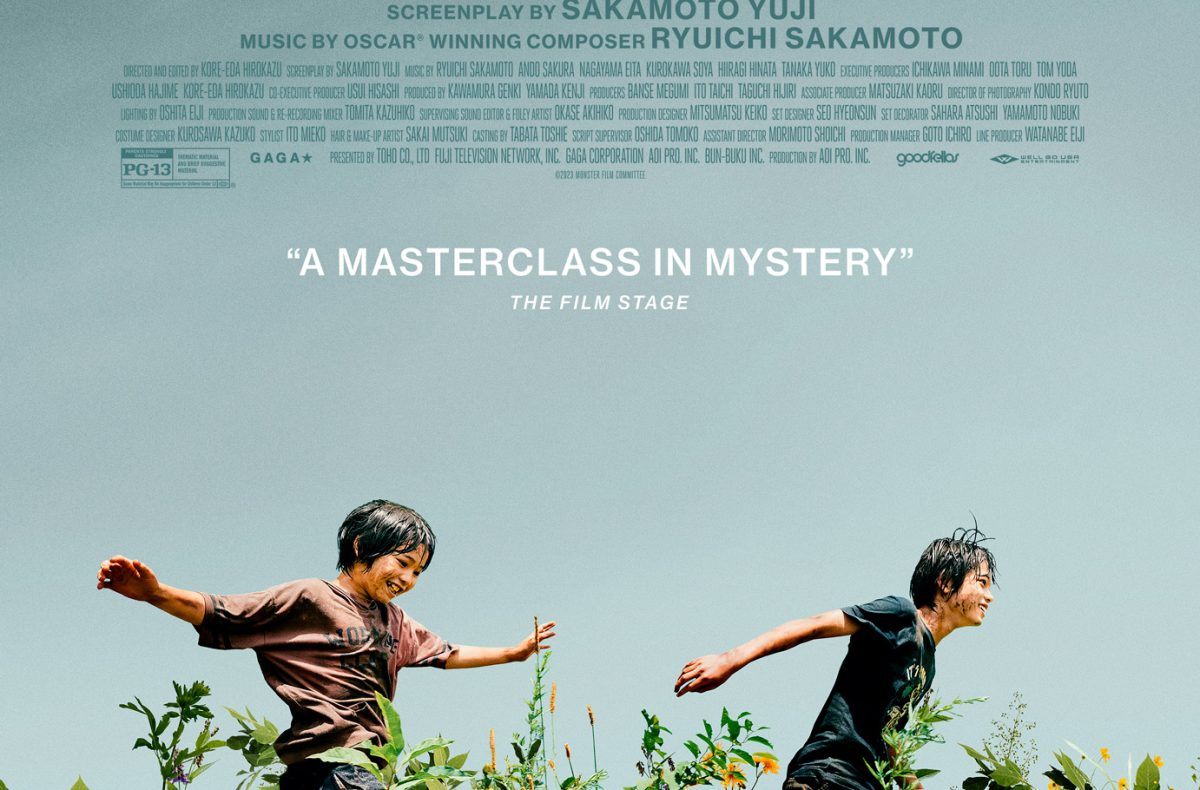
Monster 怪物 (2023): Movie review
There are films you simply watch, and then there are films you inhabit. Hirokazu Kore-eda’s Monster (Kaibutsu) falls squarely into the latter category. It is a film of such delicate, intelligent treatment that it doesn’t just tell you a story; it slowly, quietly breaks your heart.
At first glance, Monster appears to be a straightforward drama about a mother fighting for her son. Saori (played by the incredible Sakura Ando) begins to notice disturbing changes in her young son, Minato. He cuts his hair, comes home with missing shoes, and murmurs strange phrases.
When Minato finally claims that his teacher, Mr. Hori, struck him, Saori charges into the school demanding answers. What follows is a frustrating collision with a rigid school administration and a teacher who seems oddly detached. But just as you think you understand the dynamic, the ground shifts.
Kore-eda unfolds the narrative in three distinct chapters, replaying the same events from different viewpoints: the mother’s, the teacher’s, and finally, the children’s. What begins as a search for a villain transforms into a complex exploration of how easily we misunderstand one another.
What strikes me most about this film is how it manipulates perspective. Like a modern-day Rashomon, the story forces us to confront our own biases.
I found myself deeply conflicted regarding Mr. Hori. By the time the credits rolled, I felt a profound sense of guilt for how I initially judged him. He didn’t deserve the avalanche of suspicion and tragedy that fell upon him. The film brilliantly forces us to ask: Who is the real monster? Is it the teacher? The protective mother? Or is it our own rushing to judgment without knowing the full truth?
The emotional core of the film, however, rests with the children, Minato and Yori.
The hopeful part of me kept wishing, pleading for a happier, more conventional ending. I wanted a clear resolution where everyone is safe and sound in the sunlight. But Kore-eda gives us something more complex—something beautiful, devastating, and deeply human.
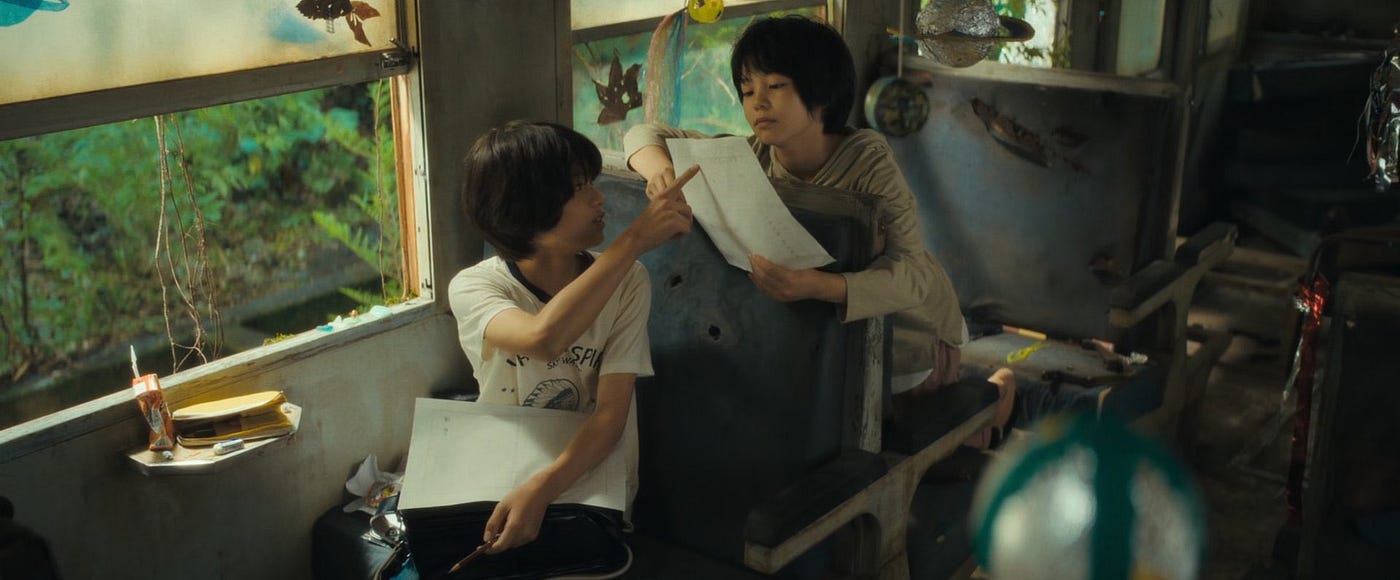
“By the end, all you want to do is protect those kids, even if it’s only inside the cinematic universe.”
It is a testament to the film’s mastery that it evokes such a visceral instinct. You want to shield them from the confusion of their own feelings and the harshness of the world that surrounds them. Even though I know these characters are fictional, the urge to ensure their safety felt incredibly real.
Monster reminds us that sometimes the most terrifying thing isn’t a villain, but the inability to communicate our true selves to the people we love. It is a masterpiece of empathy that stays with you long after the screen goes dark. 🥲